- Innovators Uncensored
- Posts
- ⚡ How this Start-Up Rebuilding how Founders Raise Capital
⚡ How this Start-Up Rebuilding how Founders Raise Capital
Genius marketing hacks, Authentic Start-Up Stories, Fantastic Start-Up opportunities and so much more in this week's issue of Innovators Uncensored!

Richard Lee
April 17, 2026


Morning Innovators ⚡ In less than 5 minutes, we’ll cover…
🥳 The best funding opportunities, events and jobs in the Start-Up world this week
📰 This week’s biggest news stories in the Start-Up world
💰 How this Start-Up is rebuilding how Founders raise capital
🪧 How standing in the street can get a different level of marketing reach
🏃 An AI tool that helps you build the software your business runs on
✨ Last week’s most clicked link, was this link taking you through to MOMENTOUS’ new fund, in which they’re looking to write €50k cheques into pre-seed companies building the infrastructure of human potential.
Happy hustling,
Rich

🎤 Opportunities + Events
🫀 Eka have launched a new £80m fund to invest in early-stage Health, Sustainability + Life Tech startups - submit your pitch here!
✍️ EWOR are accepting applications through their fellowship programme, with successful applicants getting a €500k investment - apply here!
🤙 Convoi Ventures + 4 other VC Funds are hosting their VC Office Hours in which you can book slots with them - find out more here!
🎪 Innovators Uncensored readers get an exclusive 10% discount on tickets to ‘The Founders Playground’ event in Bristol using code IUNC10

We now have a community of thousands of Start-Ups and Founders, here are the hottest Start-Up job opportunities from the Innovators Uncensored community on our very own Start-Ups Job Board!
💼 Start-Up Jobs

🇬🇧 Wise set to downgrade London listing this year. Sifted
🤝 OpenAI has bought AI personal finance startup Hiro. TechCrunch
🚕 Uber and Nuro begin testing premium robotaxi service in SF. TechCrunch
🇬🇧 UK Government to launch £500m sovereign AI fund. UKTN


Planning a trip for business or pleasure?
Final Rentals, a pioneering car rental fintech headquartered in Wales, has revolutionised the industry with its innovative approach and product-centric strategy. By addressing key challenges within the car rental sector, Finalrentals has experienced remarkable growth, increasing its size sixfold in the past 12 months. The company's expansion is not limited to growth metrics alone; it has also successfully established a robust global presence, extending its footprint across the EU and the Caribbean.
Book your rental here!


Badr Studios
Something slightly different this week, but just as attention grabbing! Often, as a Founder, you can sit for hours thinking about how you can cleverly create ad campaigns that land in your prospect’s lap. You can spend weeks masterminding tactics to get people to notice your latest campaign. However, nothing beats just getting out on foot and going to find the people you need.
That’s exactly what this Founder did in order to find angels for his next funding round. Sammi created a simple bit of text, stuck it on some cardboard with his contact details and just stood in the wealthiest areas of London hoping for conversation. Not only did Sammi get plenty of conversations with great Founders and investors, the Daily Mail also interviewed and featured him!
How can you get out on foot and get in front of the people you need to with something simple like this?

Each week we highlight our favourite tools - either something we’ve been using in our businesses, or tools that our Start-Up community have recommended.
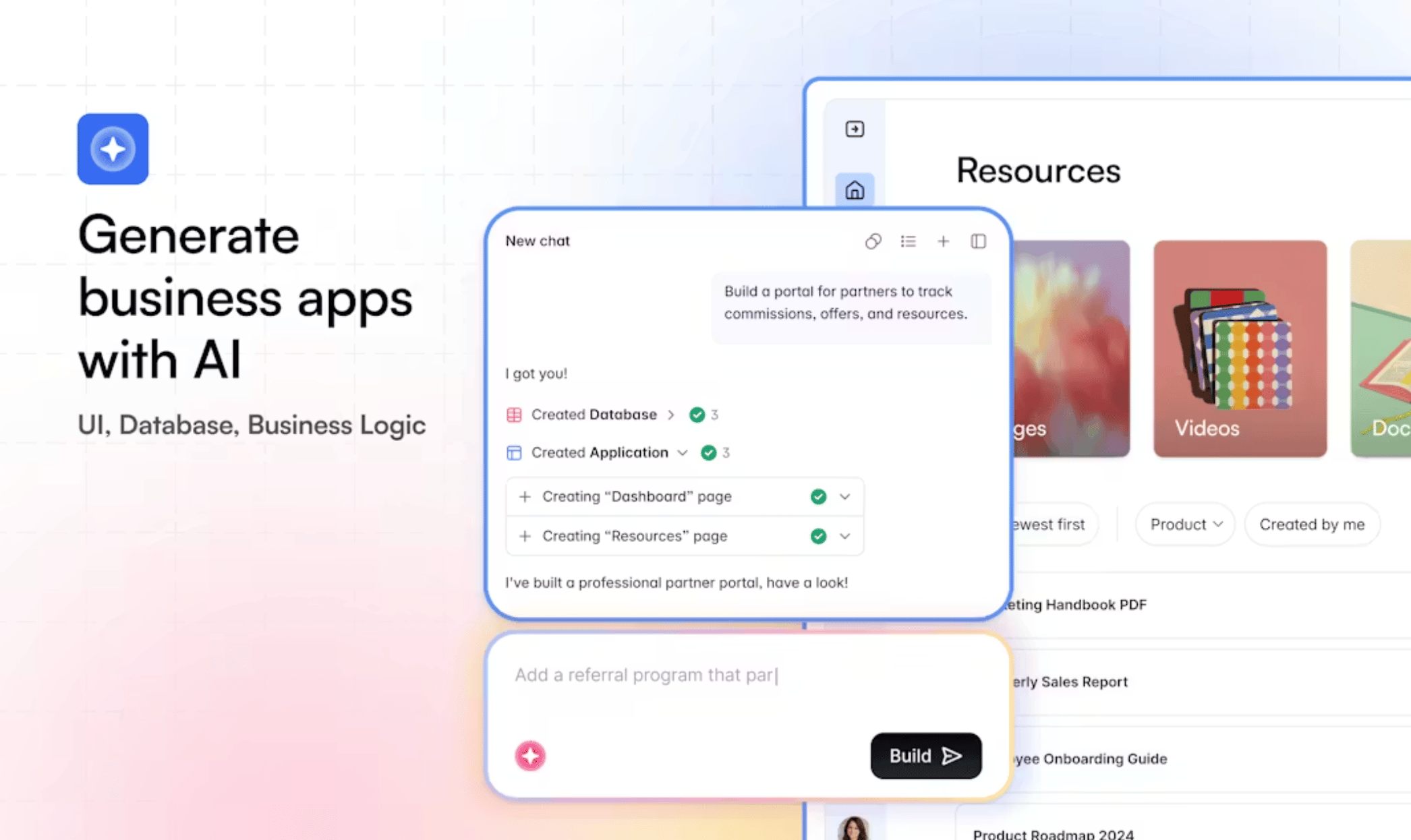
Softr is the AI platform for building the software your business runs on - portals, internal tools, and operational systems - no code required. Describe what you need, and AI creates the database, app, and business logic, so it’s secure and ready for real users. Now Softr powers over 1 million builders worldwide - from small businesses to companies like Netflix, Google, Stripe, UPS, and Clay - who create and run internal or client-facing systems and tools powering their business operations.


🚀 Caplia: Rebuilding How Founders Raise Capital
In the world of venture capital, where raising money is often messy, fragmented, and time-consuming, Caplia is trying to bring structure to chaos. Founded by Connor and Paul, Caplia is building a new layer of fundraising infrastructure designed to make the process faster, clearer, and more credible for Founders.
At the heart of the platform is the Caplia Passport - a single, shareable link that replaces scattered pitch decks, data rooms, and endless follow-ups. Instead of sending information across multiple tools, Founders can present everything in one place, giving investors a clean, decision-ready view of their business. Built in collaboration with Professor Thomas Hellmann at Oxford, the platform also includes an intelligence layer that helps Founders refine their story, identify gaps, and improve their readiness before they even speak to investors.
Built by Experience, Not Theory
Connor didn’t come from a technical background. His experience at companies like L’Oréal and Dyson, followed by scaling a consumer brand, exposed him firsthand to how broken fundraising can be. That insight shaped Caplia.
Knowing he needed technical depth, he brought on Paul as Co-Founder - someone who had already raised over £150m himself. That combination of commercial experience and real fundraising expertise meant Caplia wasn’t just theoretical. It was built by people who had lived the problem.
Early Traction: Distribution Over Everything
Rather than launching broadly and hoping for traction, Caplia took a focused approach. The first real breakthrough came through a partnership with Opus, a London-based Founder community.
This gave Caplia something most early-stage startups lack: a highly relevant, high-intent user base. Founders preparing to raise capital were onboarded into the platform at exactly the moment they needed it. That tight feedback loop allowed the team to quickly see what worked, what didn’t, and where the product needed simplifying.
It wasn’t just about getting users, it was about getting the right users.
Scaling: Embedding Into the Ecosystem
From there, growth wasn’t driven by ads or traditional outbound. Instead, Caplia leaned into ecosystems - Founder communities, investor networks, and venture funds.
The strategy is simple but powerful: don’t just build a tool Founders choose to use, build infrastructure they have to use.
By working closely with funds and aiming to become part of their deal flow process, Caplia is positioning itself at the point where companies first enter an investor’s pipeline. If successful, this flips the dynamic entirely - Founders adopt Caplia not because they discover it, but because it becomes the expected standard.
Funding: Using the Product to Raise
Caplia’s approach to fundraising was very on-brand - they used their own product.
After initially bootstrapping the idea, they raised a £430k pre-seed round in just two weeks using the Caplia Passport itself. The round was oversubscribed, but more importantly, it was selective. Connor focused on bringing in strategic angels who could actively support the business, rather than just providing capital.
It’s a good example of alignment between product and execution: if you’re building fundraising infrastructure, you should probably use it yourself.
Challenges: Trust, Security, and Early Missteps
One of the biggest early blind spots was security. When you’re handling sensitive company data, credibility isn’t optional, but it wasn’t something they had fully addressed from day one.
Fixing that meant quickly getting up to speed on standards like ISO 27001, bringing in external expertise, and making security a core part of the product. It slowed things down in the short term but ultimately strengthened the foundations of the business.
Another key mistake was overbuilding early. The first version of Caplia tried to do too much, creating friction before users could see value. The team had to strip it back to its core and focus on speed and clarity.
Key Lessons: Distribution Is the Moat
The biggest shift in thinking came from understanding where real value sits today.
It’s no longer just about building a great product, because great products can be replicated quickly. What actually matters is distribution and embedding into real workflows.
Caplia initially over-indexed on building features, but learned that being where decisions happen is far more powerful than having the most functionality.
If Connor were to start again, the approach would be simpler: build less, distribute faster, and get into real user workflows as quickly as possible.

Next week I’ll be highlighting another awesome Start-Up, as well as sharing all the usuals including funding opportunities, Start-Up news, plus plenty of awesome tips, tricks and tools.
P.S. Connect with me on LinkedIn…
